
How Do Young Drivers Impact A Farm Motor Policy: Any Driver Over 25 vs Named Drivers | Greenlands Insurance
Introduction
Many family-run farms rely on younger members of the household or farm workers under 25 to help with day-to-day tasks — from driving the farm pickup to operating tractors, ATVs or other machinery. But when it comes to farm motor insurance, young drivers can significantly influence both the cost and conditions of your policy.
Should you choose an ‘any driver over 25’ policy, or stick to a named driver setup? What are the trade-offs when it comes to cost, convenience and risk?
In this guide, we break down the options, the risks involved, and how Greenlands can help you manage your young driver exposure without paying over the odds.
How Are Young Drivers Defined in Farm Insurance?
In most insurance policies, a young driver is classified as anyone aged 17 to 24. Some insurers may extend the threshold up to 25 depending on the risk profile and driving experience.
Farm motor insurance policies that include young drivers generally require:
- Clear disclosure of age and driving experience
- A clean driving record
- Supervision or restrictions (especially for very young or newly qualified drivers)
⚠️ Failure to declare a young driver — even a family member or part-time worker — could invalidate your policy in the event of a claim.
What Is an ‘Any Driver Over 25’ Policy?
This option allows any authorised person aged 25 or over to drive the insured vehicles, without needing to be individually named.
✅ Pros:
- Flexibility for changing staff and seasonal workers
- Simpler admin — no need to update the policy when drivers change
- Useful for family farms with multiple drivers across vehicles
❌ Cons:
- Usually more expensive than a named-driver policy
- Typically excludes under 25s
- Still may have conditions for drivers with less than 12 months’ experience or non-UK licences
- You will be required to declare anyone under 25
💡 Important: Some insurers only allow drivers over 25 under open-driver terms. If young driver flexibility is important, you will need to specify drivers under 25 on the vehicles you want them to use.
What Is a Named Driver Policy?
A named driver policy only allows individuals who are specifically listed on the policy to drive. These drivers are pre-approved and risk-assessed by the insurer.
✅ Pros:
- Cheaper premiums — especially if only a few low-risk drivers are listed
- More control over who uses the vehicles
- Lower exposure to unknown or high-risk drivers
❌ Cons:
- Less flexible — needs updating every time someone new drives
- Easy to forget to add new drivers, especially during busy periods
- Adding a young driver later may increase the overall premium mid-term
How Do Young Drivers Affect Premiums?
Insurers see younger drivers as higher risk, based on statistical data:
- They are more likely to be involved in collisions
- They may have less experience handling large or off-road vehicles
- Risk increases with tractors, quads, or equipment towing
As a result:
- Including a young driver may increase your farm motor policy, depending on circumstances
- Premiums may be higher if they are added to an any-driver policy, or if multiple young drivers are covered
🧑🌾 Example: Adding a 22-year-old seasonal worker to a multi-vehicle farm policy may increase the annual premium depending on vehicle types and claims history.
Best Practices for Managing Young Drivers
To stay compliant and keep premiums manageable:
✅ Disclose all drivers
Even for casual use — declare young drivers to avoid invalidating your policy.
✅ Choose the right vehicles
Insurers may restrict young drivers from operating:
- High-value or powerful tractors
- Quad bikes or ATVs without experience
- On-road vehicles without proper training
✅ Provide supervision and training
Formal induction or ATV safety training can reduce risk — and in some cases, reduce premiums.
✅ Set usage boundaries
You may restrict young drivers to on-farm use only, avoiding on-road exposure.
✅ Consider excess limits
Some insurers apply a higher excess to claims involving young drivers (e.g. £500–£1,000 vs £250 standard).
Can You Mix Named Drivers with Any Driver Policies?
Yes — many farm motor policies can be tailored to include:
- Named drivers (e.g. family members, experienced workers)
- Any driver over 25 (for other occasional or temporary users)
- Exclusions for drivers under a certain age or experience level
This hybrid approach offers flexibility while keeping premiums under control.
Why Greenlands Insurance?
We understand the realities of running a working farm — and the practical need to involve younger family members and seasonal workers. That’s why we offer:
✅ Flexible driver arrangements
✅ Cover for young drivers (subject to underwriting)
✅ Open-driver options with age limits
✅ Advice on keeping costs manageable
✅ Multi-vehicle policies tailored to your operation
Need Help Adding a Young Driver or Reviewing Your Policy?
Whether you’re insuring your son’s first time driving the farm 4×4 or a seasonal worker during harvest, we can help you stay compliant, protected, and cost-efficient.
📞 Call 01970 636925
📩 Request a callback
🖱️ Quote and buy online at greenlands.co.uk/farm-motor-insurance
Useful Links
- Farm Motor Insurance
- Agricultural Vehicle Insurance
- What’s the Difference Between Farm Motor Insurance & Agricultural Vehicle Insurance
- Do I Need Insurance for My Tractor? A Farmer’s Guide
- DVLA: Driving and insurance rules for young drivers
Greenlands Insurance Services Limited is authorised and regulated by the Financial Conduct Authority (FCA). You can verify our status and find more information about us on the FCA Register
Frequently asked questions
How can I get an Agricultural Vehicle Insurance quote?
You can quote and buy cover for up to 10 agricultural vehicles online by clicking here. Alternatively, you can call us on 01970 636925 and speak to one of our specialist advisers who will create a quote for you.
How can I get a Farm Motor Insurance quote?
You can get a Farm Motor quote by calling us on 01970 636925 and speaking to one of our specialist advisers. Alternatively, you can request a call-back on the Farm Motor page.
What vehicles can a Farm Motor Insurance policy cover?
You can get cover for tractors, diggers, dumpers, harvesters, quad bikes, 4X4, private cars, and more on a Farm Motor insurance policy. If not listed, please call us on 01970 636925 to discuss your specific requirements with a specialist adviser.
Can you insure vintage tractors?
Yes, you can include vintage tractors on your Farm Motor policy and on an Agricultural Vehicle policy.
What information do I need to get a quote?
To get a quote, you’ll need the make, model, registration/serial number, age, and value of the vehicle(s) you wish to insure. You’ll also need details of any named drivers (for private cars), and claims history. Call us on 01970 636925 to speak to a specialist adviser and get the ball rolling.
Who can drive vehicles on a Farm Motor policy?
A farm motor insurance policy can be set up to suit the specific needs of your agricultural business. You typically have two options:
Named Drivers: This is the most common setup. Only the individuals listed on the policy—such as family members or employees—are legally permitted to drive the insured farm vehicles, including tractors and other agricultural vehicles.
Any Driver Cover: Some insurers offer an “any driver” option, which allows anyone with permission and a valid driving licence to operate the vehicle. However, this cover usually comes with conditions such as minimum age limits and may carry a higher premium due to the increased flexibility.
Choosing between named drivers and any driver cover depends on the size of your operation and how often different people need access to the vehicles. If you have multiple workers using tractors or ATVs throughout the week, any driver cover may offer added convenience and peace of mind.
Do you need a Tractor Insurance policy, even if you don't drive them on the road?
Yes, it’s strongly recommended—and in some cases legally required—to insure your tractor even if you don’t drive it on public roads.
Under UK law, if a vehicle is registered, not declared off-road via a Statutory Off Road Notification (SORN), and kept on land accessible to the public, it must be insured, even if it never leaves your farm. Additionally, if your tractor is ever driven on public roads—even briefly—it must be taxed, insured, and have an up-to-date MOT (where applicable based on age and class).
Beyond legal obligations, insurance is crucial for protecting against rural crime. Tractors and agricultural vehicles are valuable assets, often costing tens of thousands of pounds. With thefts on the rise in rural areas, having comprehensive Farm Motor or Agricultural Vehicle Insurance ensures you’re covered against loss or damage—whether through theft, fire, accidental damage, or weather-related incidents.
In short, even if you only use your tractor on your land, insurance safeguards your investment and supports your farm’s resilience.

Agricultural
Vehicle
Insurance

Farm
Motor
Insurance
About the author
Josh Owen
Blog categories
Also on the blog

5 Mistakes Farmers Make When Insuring Their Vehicles
5 Mistakes Farmers Make When Insuring Their Vehicles | Greenlands Insurance Introduction Farming often involves a wide range of vehicles — from tractors and quad bikes to pickups and trailers. With so much equipment to manage, it's no surprise that many farmers...
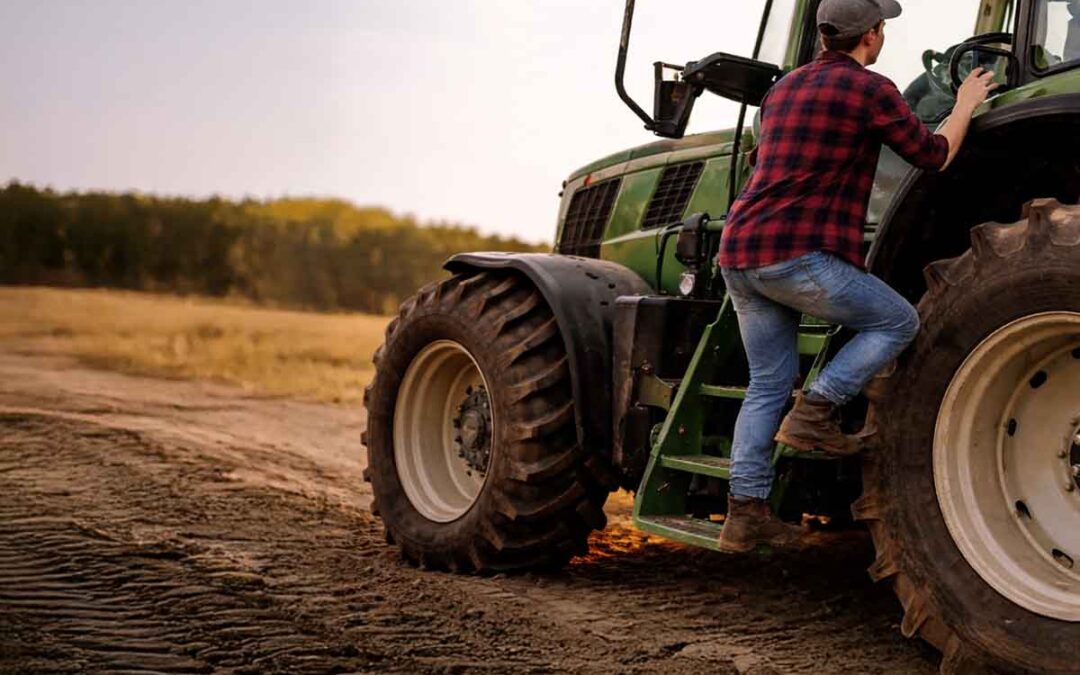
Who Can Drive My Farm Vehicles on My Farm Motor Insurance Policy
Who Can Drive My Vehicles on My Farm Motor Insurance Policy | Greenlands Insurance Introduction Running a modern farm often means multiple people get behind the wheel of a variety of vehicles — from 4x4s and pickups to tractors, quad bikes and UTVs. But who exactly is...

What’s the Difference Between Farm Motor Insurance & Agricultural Vehicle Insurance
What's the Difference Between Farm Motor Insurance & Agricultural Vehicle Insurance | Greenlands Insurance Introduction When it comes to insuring vehicles used on your farm, two policy types are commonly offered: Farm Motor Insurance and Agricultural Vehicle...

Greenlands Opens New Office at St Asaph Livestock Market
Greenlands Opens New Office at St Asaph Livestock Market Getting specialist agricultural insurance advice has just got a lot more convenient for farmers and rural businesses in North Wales.Greenlands Insurance is proud to announce the opening of our new regional...
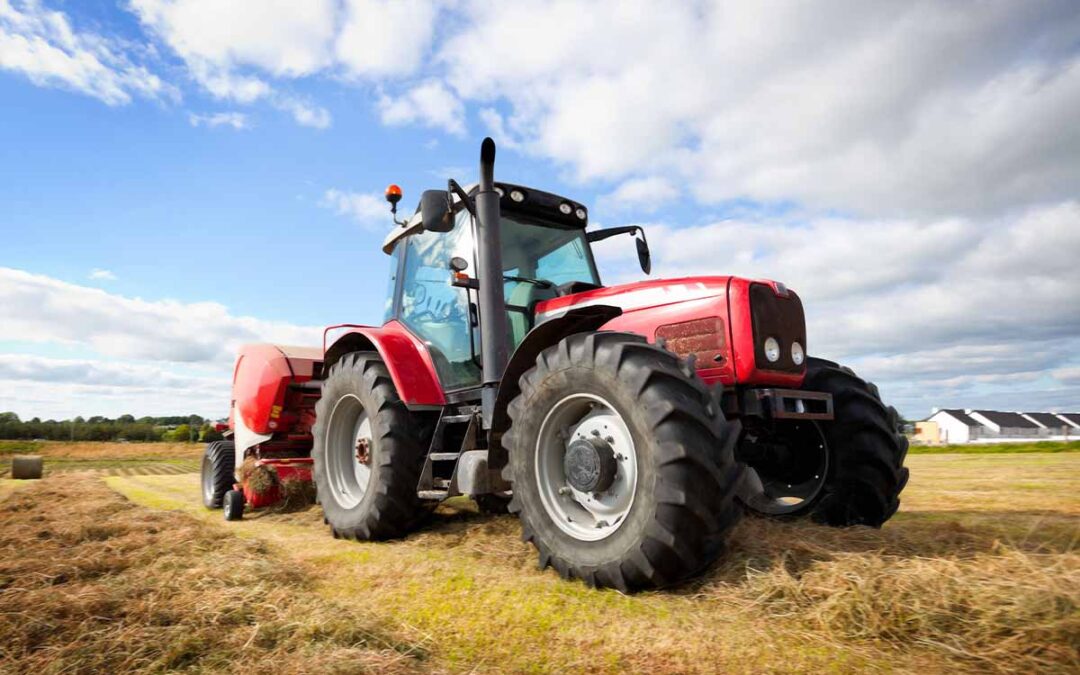
Do I Need Insurance for My Tractor? A Farmer’s Guide
Do I Need Insurance for My Tractor? A Farmer's Guide | Greenlands Insurance Introduction Tractors are more than just farm machinery — they’re the powerhouse of British agriculture. Whether you’re cultivating land, transporting goods, or feeding livestock, your tractor...